US-China Trade War: Has Washington Lost Ground to Beijing?
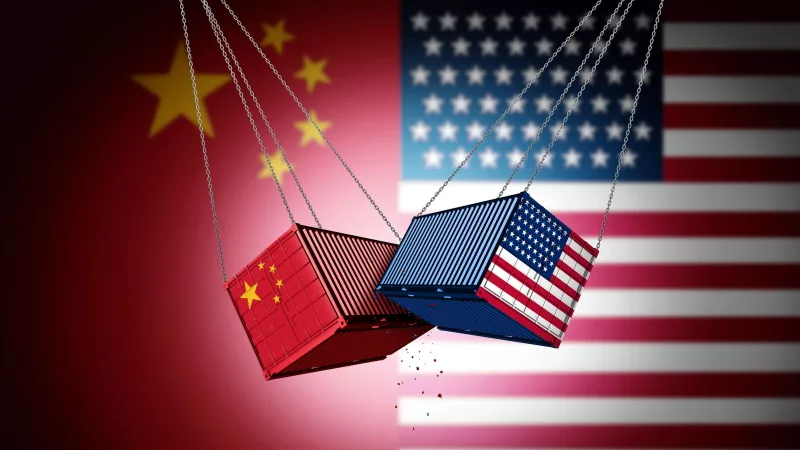
Amid escalating global geopolitical crises, a critical economic development has emerged from the trade war between the United States and China—one that many analysts believe has not received sufficient attention despite its far-reaching implications.
According to US analysts, China’s announcement of a record trade surplus of around $1.2 trillion in 2025 marks a turning point in the trade war, highlighting Beijing’s ability to adapt to US pressure and redirect its exports away from the American market.
Most of this surplus, estimates suggest, was generated through emerging markets and countries of the Global South, where China has spent years expanding its commercial footprint and deepening economic ties, reducing its reliance on the US economy.
Observers argue that while US protectionist policies were rooted in legitimate concerns, they suffered from weak strategic planning and underestimated China’s economic resilience.
As a result, the trade war proved less effective in constraining Beijing than initially anticipated.
Against this backdrop, a key question arises: did Washington overestimate its leverage while China quietly restructured its trade networks and supply chains, gaining greater strategic flexibility in the process?