US Defense Spending: Trump Calls for $1.5 Trillion in 2027
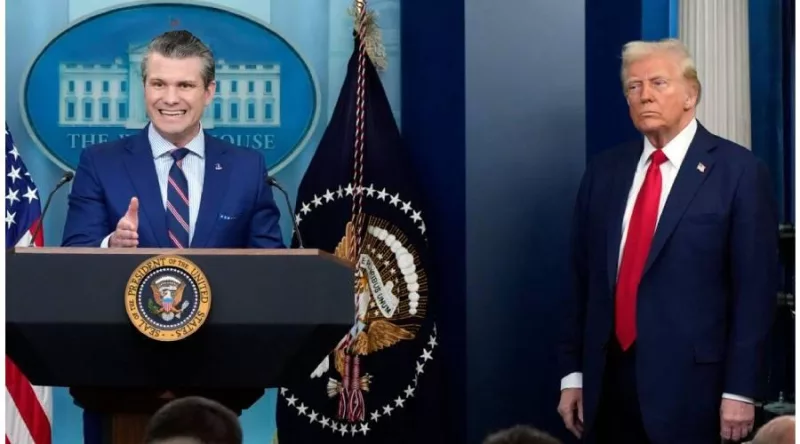
US President Donald Trump called for a more than 50% increase in annual defense spending, aiming to lift the Pentagon budget to $1.5 trillion by 2027.
He framed the proposal as a major push to strengthen military readiness and expand capabilities.
Trump said the proposed boost in defense spending could be financed through revenues generated by tariffs imposed over the past year, arguing that strong customs receipts would help fund a much larger defense budget while also supporting other fiscal priorities.
A sharp jump from the current budget baseline
The report noted that the US defense budget stands at about $901 billion for the current fiscal year, underscoring how significant the proposed increase would be if adopted.
A move to $1.5 trillion would represent the largest expansion in both scale and pace.
That magnitude raises practical questions about resources and trade-offs, since adding hundreds of billions annually would reshape broader budget planning, including deficit management and the path of federal debt.
Tariffs as a proposed funding source
Trump’s funding argument hinges on tariff receipts, but the report pointed out that tariff revenues may not be sufficient to cover the full increase in defense spending, especially if those receipts are also expected to support debt reduction or additional household relief measures.
According to the report, tariff collections reached around $195 billion through September 30, based on US Treasury figures cited, which is substantial yet still small relative to the gap between current levels and the $1.5 trillion target.
Potential tension with cost-cutting goals
The report also highlighted that a push for higher defense spending could clash with other administration priorities, including earlier efforts to trim certain Defense Department outlays as part of broader cost-reduction initiatives.
It additionally noted that the United States already outspends the next nine countries combined on defense, based on a research source referenced in the report—an angle likely to feature in the policy debate.
Congressional approval is required
The proposal would need approval from Congress, making the legislative process central to whether the plan becomes budget reality.
Trump said he reached the decision after extended discussions with senators, representatives, and other political stakeholders.
If the initiative advances, defense spending would enter a new expansion phase, alongside intensified debate over financing, fiscal sustainability, and the broader economic implications for federal budgeting.