White House Seeks to Ease Cost-of-Living Pressures Ahead of Midterm Test
Purchasing power has emerged as a central issue for the U.S.
administration in early 2026 as the White House seeks to address voter concerns ahead of crucial midterm elections.
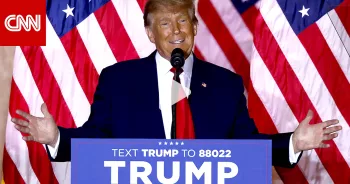
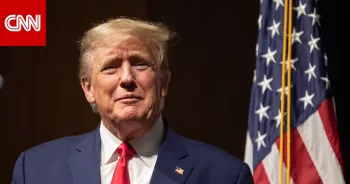
Despite some moderation in inflation, the persistent rise in living costs remains a major challenge for President Donald Trump and the Republican Party.
Analysts at Bank of America note that the administration is weighing several measures to relieve households, including adjustments to trade tariffs, proposals to cap credit-card interest rates and continued pressure on the Federal Reserve to ease monetary policy.
Economists caution that significant rate cuts are unlikely unless economic conditions deteriorate markedly.
Housing affordability is also gaining prominence, with plans aimed at limiting institutional purchases of single-family homes and supporting mortgage markets.
Experts stress that the effectiveness of these initiatives will depend on balancing price relief with financial stability.
administration in early 2026 as the White House seeks to address voter concerns ahead of crucial midterm elections.
Despite some moderation in inflation, the persistent rise in living costs remains a major challenge for President Donald Trump and the Republican Party.
Analysts at Bank of America note that the administration is weighing several measures to relieve households, including adjustments to trade tariffs, proposals to cap credit-card interest rates and continued pressure on the Federal Reserve to ease monetary policy.
Economists caution that significant rate cuts are unlikely unless economic conditions deteriorate markedly.
Housing affordability is also gaining prominence, with plans aimed at limiting institutional purchases of single-family homes and supporting mortgage markets.
Experts stress that the effectiveness of these initiatives will depend on balancing price relief with financial stability.