Silver Falls 11% to $74.66 Amid Strong U.S. Data Pressure
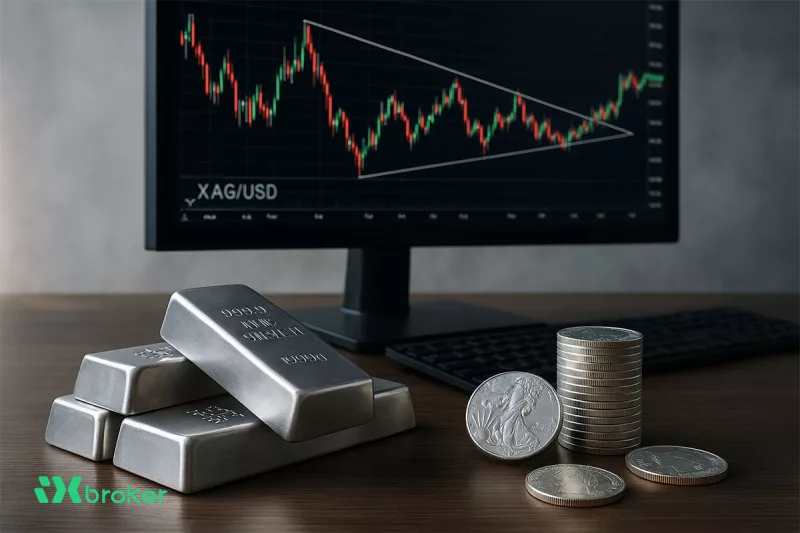
Silver plunged sharply in global markets, losing around 11% to trade at $74.66 per ounce in spot transactions.
The steep decline followed stronger-than-expected U.S.
economic data, which triggered heavy selling pressure across precious metals markets.
The drop in silver came alongside a notable retreat in gold prices after U.S.
labor market figures showed a solid start to 2026.
Investors subsequently scaled back expectations for near-term interest rate cuts, boosting the dollar and weighing on precious metals.
Gold Moves Lower in Parallel
Spot gold fell 2.7% to $4,941.47 per ounce after touching its lowest level in a week.
U.S.
gold futures for April delivery also slipped 2.7%, settling at $4,962.10 per ounce.
Analysts noted that the synchronized decline in gold and silver reflects heightened sensitivity to U.S.
macroeconomic indicators, particularly employment data and interest rate outlooks, which tend to drive rapid price swings.
Stop-Loss Orders Accelerate the Selloff
Market experts highlighted that prior volatility prompted many investors to set automatic buy and sell orders at key levels.
Once gold broke below the $5,000 threshold, stop-loss orders were triggered, intensifying downward momentum.
This chain reaction amplified pressure on precious metals, with silver typically experiencing sharper moves due to comparatively lower liquidity and higher speculative activity.
Strong U.S.
Data Reshapes Rate Expectations
Recent data showed the U.S.
labor market began the year on stronger footing than anticipated, reinforcing the view that the Federal Reserve may keep interest rates elevated for longer.
Higher rates generally reduce the appeal of non-yielding assets such as gold and silver.
Investors are now closely monitoring further signals from U.S.
policymakers, as precious metals prices are expected to remain closely tied to the trajectory of interest rates and inflation in the coming weeks.