Greenland at the Center of Arctic Tensions After Trump’s Control Proposal
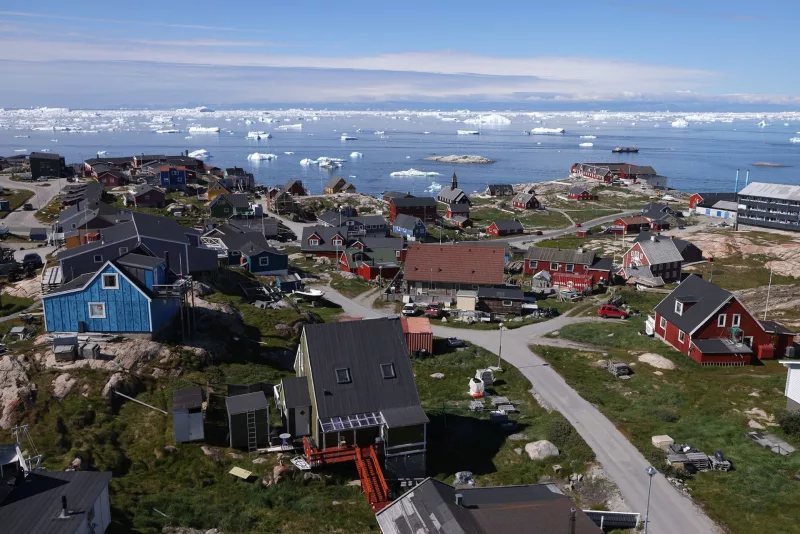
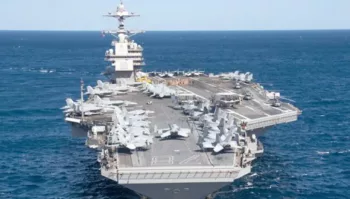
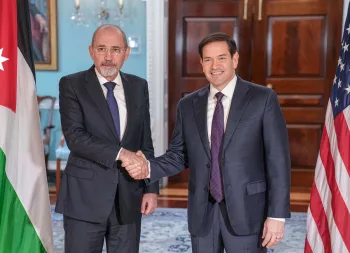
President Donald Trump’s proposal to gain control over Greenland has renewed focus on the military presence across the Arctic, highlighting the island’s strategic importance to US national security despite firm rejection from Denmark and Greenland’s autonomous government.
The Arctic region spans territories belonging to eight nations, all competing to strengthen their military footprints in a geopolitically sensitive area shaped by emerging shipping routes, natural resources, and security concerns.
Russia maintains the largest military presence in the Arctic, having reopened and modernized numerous Soviet-era bases, with significant nuclear and naval capabilities concentrated in the Kola Peninsula.
The United States and Canada rely on a long-standing defense partnership under NORAD, supported by major US bases in Alaska and a space facility in northern Greenland, alongside plans to upgrade radar and missile defense systems.
Meanwhile, Nordic countries including Denmark, Norway, Sweden, and Finland are deepening integration with NATO, as the Arctic increasingly becomes a focal point in the global balance of military power centered around Greenland.