Global Economy in 2026 Faces Slower Growth and Rising Risks, Institutions Forecast
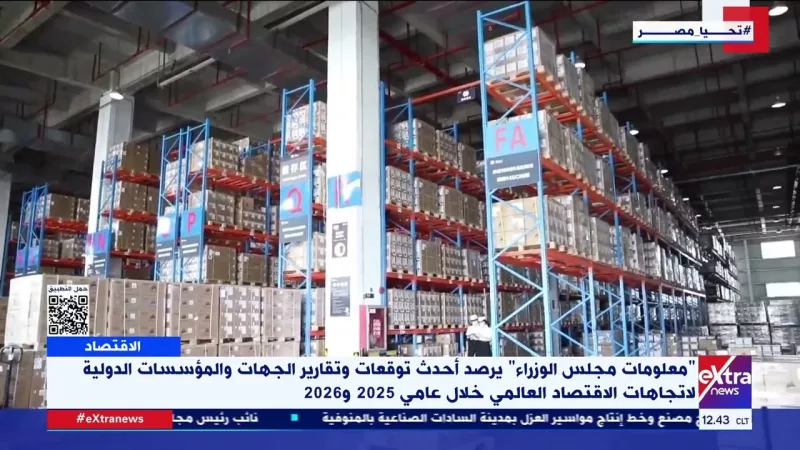
The global economy is heading toward a period of relatively slower growth in 2026, according to forecasts from major international financial institutions and credit rating agencies, as trade tensions and geopolitical risks continue to weigh on activity despite a shift toward monetary easing.
The International Monetary Fund expects the global economy to slow to around 3.1% growth in 2026, with the Middle East and North Africa performing relatively better on stronger energy demand and improved investment.
The World Bank, however, warns of deeper deceleration toward a 2.3%–2.5% range if trade frictions and geopolitical shocks persist.
The OECD projects that the global economy may record steady growth near 3.3%, alongside gradually easing inflation in advanced economies, while cautioning about structural imbalances, particularly a slowdown in China that could disrupt global value chains.
Fitch Solutions forecasts the global economy growing about 2.6% in 2026, supported by moderating inflation and continued policy support, with notable divergence across regions.
S&P Global expects a mild slowdown in emerging markets, with Asia benefiting from strong technology and AI-related exports.
Moody’s anticipates global real GDP growth of around 2.5% in 2026, citing relatively stronger momentum in the US and China, even as labor market softness and uneven domestic indicators underscore a cautious and uncertain global outlook.