BlackRock and the Quiet Emperor of Wall Street Moving CEOs Like Chess Pieces
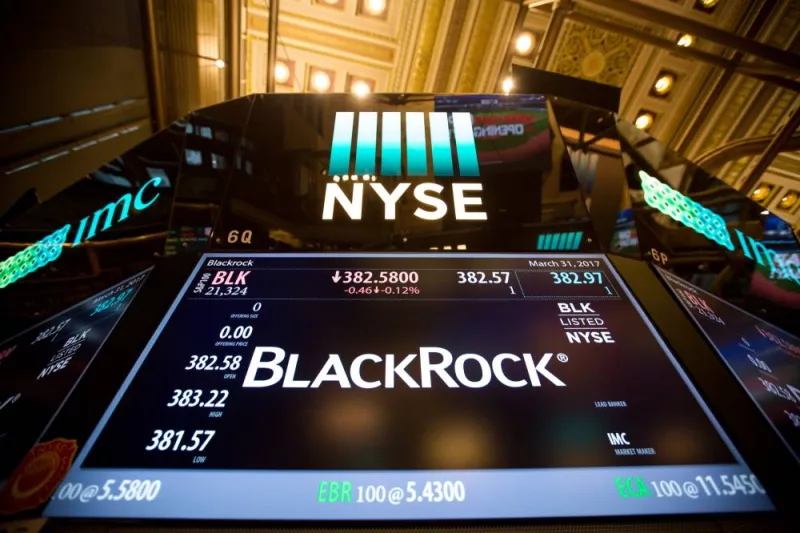
The late Charlie Munger’s warnings have reignited debate over the growing influence of BlackRock on Wall Street, as major asset managers increasingly shape corporate decisions without direct involvement in day-to-day management.
This shift highlights a profound change in the balance of power across financial markets.
Munger, a strong advocate of active management and long-term investing, expressed concern that passive investing has quietly granted BlackRock and other index giants enormous voting power.
This influence allows them to steer companies’ direction or even remove executives behind the scenes.
New Market Emperors
According to Munger, firms like BlackRock, Vanguard, and State Street have become modern-day “emperors,” voting on behalf of millions of investors worldwide.
Such dominance has given BlackRock unprecedented sway over boardrooms and governance policies, raising questions about competition and power concentration.
Assets and Decision-Making Power
With more than $13 trillion in assets under management, BlackRock holds significant stakes across global corporations.
While index funds were designed to democratize investing, their explosive growth has concentrated influence in fewer hands, a trend Munger warned could pose long-term risks to market health.