AI Chip Tariffs Set the Stage for Broader Deals Between Washington and Tech Firms
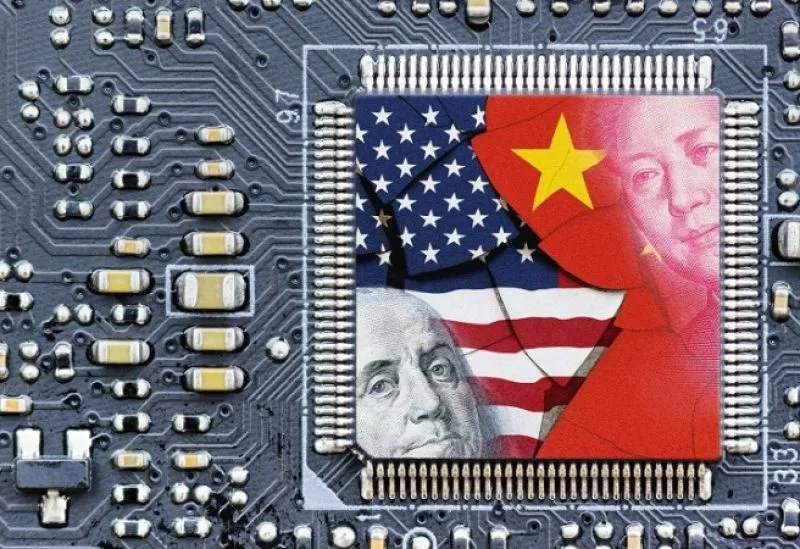
The United States has introduced AI chip tariffs of 25% on selected advanced semiconductors, signaling a policy shift aimed at generating direct economic gains while keeping the door open for broader negotiations with global partners and major technology firms.
Under the measure, AI chip tariffs are collected when the products enter the US before being shipped onward to foreign markets, including China.
Policymakers argue that this approach delivers immediate revenue without disrupting global supply chains through sweeping restrictions.
The targeted category includes high-performance chips used in artificial intelligence applications, with specific exemptions designed to support the development of a domestic technology supply chain.
The move reflects an effort to balance national security concerns with industrial growth.
At the same time, the administration has postponed imposing broader semiconductor tariffs, instructing trade officials to prioritize negotiations.
Analysts view the current AI chip tariffs as leverage to facilitate wider trade and investment agreements.
Experts say this strategy marks a departure from years of aggressive pressure, adopting a more pragmatic stance that supports US manufacturing, creates jobs, and strengthens America’s position in the global AI race.