US Tariffs on India: Trump Lifts 25% Duties After Pledge to Halt Russian Oil Imports
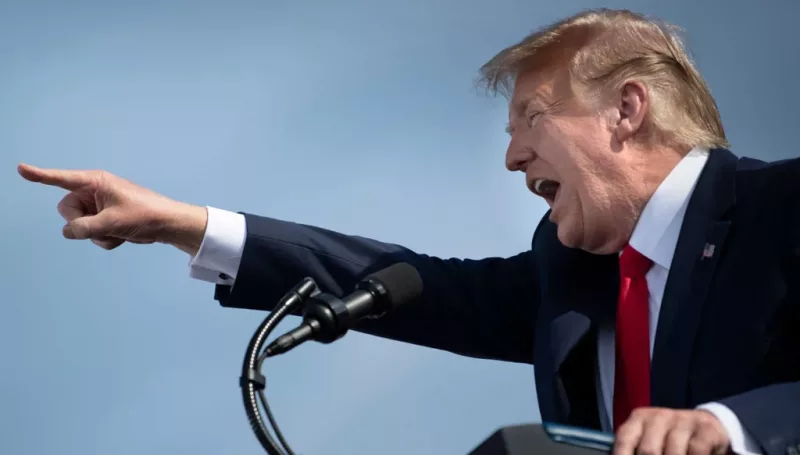
US President Donald Trump has lifted the US tariffs on India amounting to 25%, marking a significant shift in trade relations after New Delhi pledged to halt direct and indirect imports of Russian oil.
The decision, issued through an executive order from the White House, stated that India committed to increasing purchases of US energy products and agreed to a 10-year defense cooperation framework.
The removal of the US tariffs on India signals the beginning of implementing a broader trade agreement recently announced by both sides.
Tariff Reduction and Trade Reset
Under the new arrangement, the United States will also reduce so-called reciprocal tariffs on Indian imports, bringing the effective rate down to 18%.
The cancellation of the 25% duties will take effect on February 7, Washington time.
India’s purchases of Russian oil had been central to trade negotiations, with Washington viewing them as a barrier to deeper economic ties.
Therefore, lifting the US tariffs on India was conditioned on tangible steps to diversify energy imports.
$500 Billion in Commitments
In return, India agreed to buy $500 billion worth of US goods over five years, including energy, aircraft, spare parts, precious metals, and advanced technology products.
It also pledged to ease non-tariff barriers affecting American agricultural and industrial exports.
US officials say the agreement will expand market access for American producers in one of Asia’s largest economies and strengthen cooperation in technology and energy sectors.
Broader Trade Implications
The lifting of the US tariffs on India represents a major breakthrough after Indian exports had faced duties of up to 50%, the highest imposed on a major Asian trade partner.
The deal is expected to boost bilateral trade, particularly in advanced semiconductors and data center technologies.
This development reflects broader shifts in global trade policy, as Washington and New Delhi seek to balance commercial interests with evolving geopolitical dynamics.