SpaceX and xAI Deal Reshapes the Global Technological Balance of Power
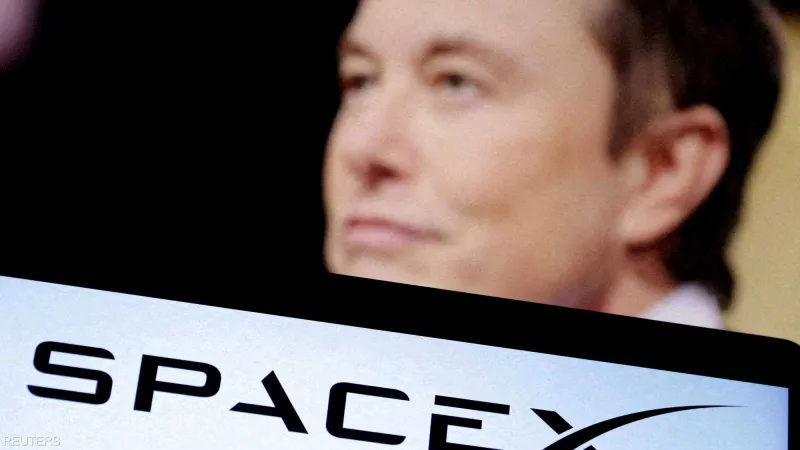
The SpaceX and xAI deal marks a pivotal moment in the technology and space sectors, signaling a strategic shift that could reshape the global balance of power across artificial intelligence, communications, and aerospace industries.
Under the landmark agreement, Elon Musk’s SpaceX has acquired his artificial intelligence startup xAI in a record-breaking transaction valuing the combined entity at approximately $1.25 trillion, making it one of the largest mergers in modern history.
Unprecedented Financial Scale
SpaceX is valued at around $1 trillion, while xAI stands at roughly $250 billion.
The merger is structured as a stock swap, with one xAI share converting into 0.1433 shares of SpaceX.
Financial documents indicate a wide valuation range, underscoring the magnitude of the transaction.
The SpaceX and xAI deal comes ahead of SpaceX’s highly anticipated initial public offering, with reports suggesting the company may seek to raise up to $50 billion at a valuation approaching $1.5 trillion.
Vertical Integration of AI and Space
Elon Musk stated that the objective of the SpaceX and xAI deal is to create a vertically integrated innovation engine combining artificial intelligence, rockets, satellite internet, and social media platforms, alongside the development of orbital data centers.
Analysts argue that integrating space-based infrastructure with advanced AI systems could provide the merged entity with a strategic edge in global data analysis, particularly from satellite sources.
Economic and Strategic Implications
Experts note that the SpaceX and xAI deal goes beyond a corporate expansion, potentially redefining the global technological landscape by concentrating space, communications, and AI capabilities within a single private entity.
Markets are expected to closely monitor the long-term economic and strategic consequences as innovation accelerates and technological dominance becomes increasingly tied to national and corporate security interests.