New $100K H-1B Visa Fees Put Foreign Talent in the U.S. at Risk
U.S.
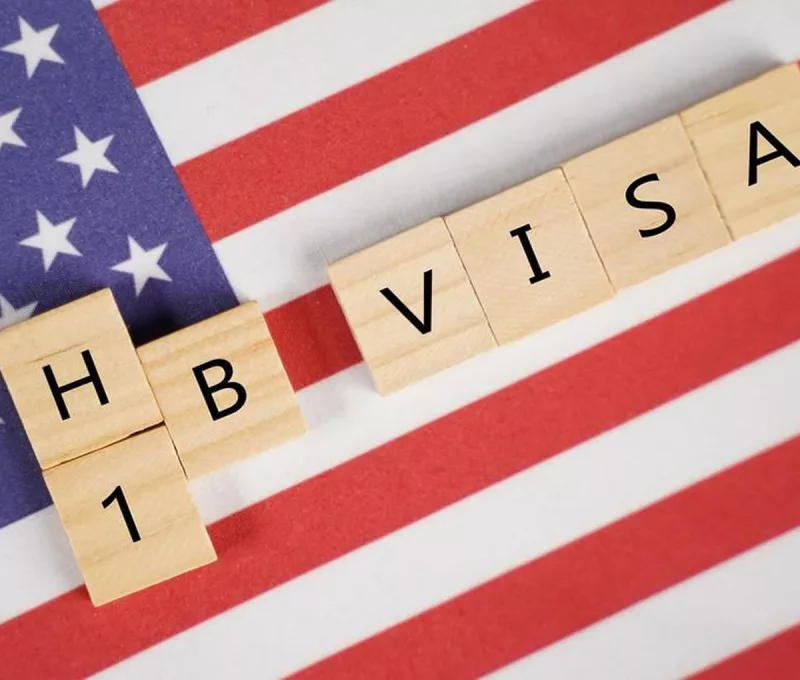
President Donald Trump signed an executive order imposing a $100,000 fee on H-1B visa applications, marking a dramatic shift in employment-based immigration policy.
The H-1B program has long been the main channel for technology, healthcare and engineering firms to recruit specialized foreign talent.
The administration argues the measure is intended to curb what it calls excessive use of the program and encourage the hiring of American workers.
However, economists warn that the high cost could force many companies to scale back recruitment or relocate operations outside the United States.
Analysts say the new fees may directly affect innovation and the growth of startups that rely on global expertise, while also limiting universities and research centers in attracting top professionals.
Several business groups are preparing legal challenges, claiming the decision threatens the long-term competitiveness of the U.S.
economy.
President Donald Trump signed an executive order imposing a $100,000 fee on H-1B visa applications, marking a dramatic shift in employment-based immigration policy.
The H-1B program has long been the main channel for technology, healthcare and engineering firms to recruit specialized foreign talent.
The administration argues the measure is intended to curb what it calls excessive use of the program and encourage the hiring of American workers.
However, economists warn that the high cost could force many companies to scale back recruitment or relocate operations outside the United States.
Analysts say the new fees may directly affect innovation and the growth of startups that rely on global expertise, while also limiting universities and research centers in attracting top professionals.
Several business groups are preparing legal challenges, claiming the decision threatens the long-term competitiveness of the U.S.
economy.