New Federal Reserve Nominee Kevin Warsh: How Will His Policies Affect Your Wallet?
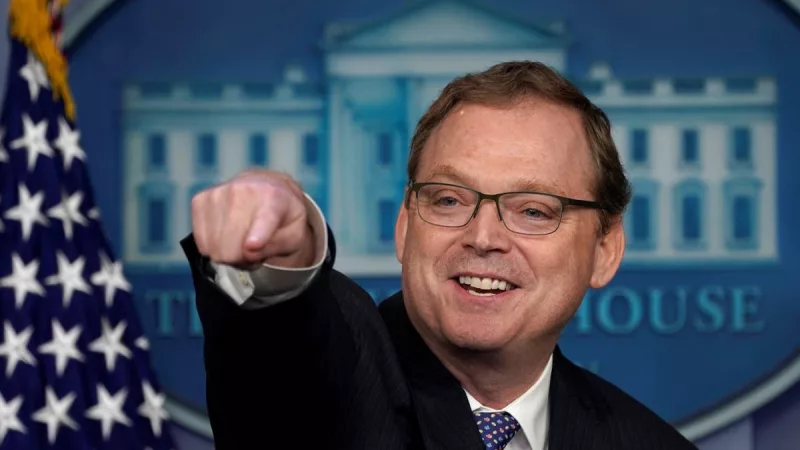
The appointment of the new Federal Reserve nominee, Kevin Warsh, marks a pivotal shift in U.S.
monetary policy following President Donald Trump’s official nomination.
Markets are now bracing for potential changes that could directly impact interest rates, inflation, and household purchasing power.
A Tighter Approach to the Fed’s Balance Sheet
The new Federal Reserve nominee is widely known for his criticism of aggressive quantitative easing policies that expanded the Fed’s balance sheet during the 2008 financial crisis and the 2020 pandemic.
Warsh is expected to accelerate quantitative tightening, aiming to withdraw excess liquidity and curb inflationary pressures.
With the Federal Reserve’s balance sheet hovering near $7 trillion, the new Federal Reserve nominee believes that reducing it is essential to restoring price stability and protecting the long-term value of the U.S.
dollar.
What It Means for Consumers
If the new Federal Reserve nominee pursues stricter monetary policies, interest rates could remain elevated for longer.
This would affect mortgages, credit cards, and auto loans.
However, tighter policies may gradually stabilize living costs and strengthen purchasing power by reducing inflation.
Short-term pressure on equity markets is also possible, but sustained monetary discipline could bolster investor confidence in long-term economic stability.
Discipline and Independence
Although backed by the Trump administration, the new Federal Reserve nominee is recognized for advocating market discipline and central bank independence.
Analysts suggest his leadership could align tighter monetary policy with efforts to reduce fiscal deficits.
Overall, the new Federal Reserve nominee represents a shift toward stricter monetary management, aiming to reinforce U.S.
economic stability and safeguard the dollar’s strength.