Dollar Under Pressure: How Trump’s Approach Impacts the Value of the Dollar Globally
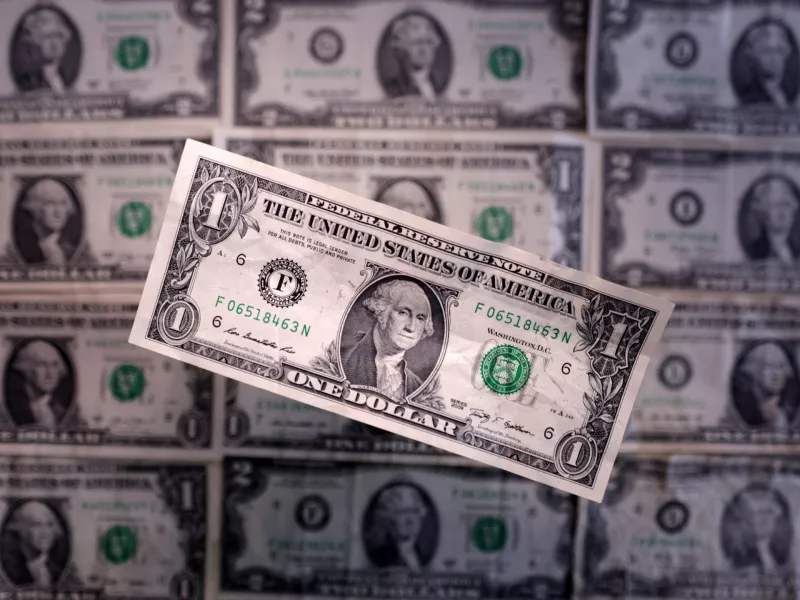
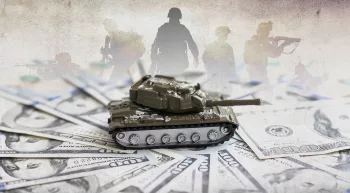
The dollar is facing mounting pressure amid rising political and economic uncertainties, as movements in the dollar are increasingly influenced not only by growth, inflation, and interest rates, but also by political and geopolitical developments shaping investor confidence.
Recent trends raise broader questions about whether the decline of the dollar represents a routine market correction or a deeper shift in global perceptions of US policy stability and its role in the international financial system.
Political Factor and Dollar Volatility
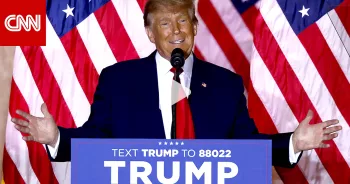
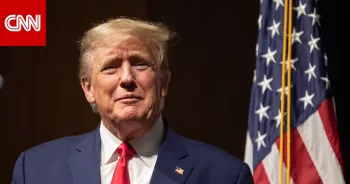
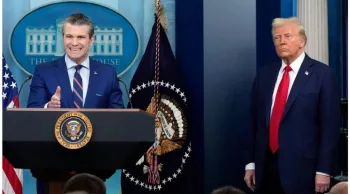
Former President Donald Trump’s political approach has significantly influenced market sentiment, with sharp rhetoric and sudden policy decisions—particularly in trade and foreign affairs—fueling uncertainty.
This environment has prompted investors to price in higher risk premiums on US assets, translating into additional pressure on the dollar and increased volatility in currency markets.
Greenland Crisis and Broader Pressures
Reports suggest that fallout from the Greenland crisis accelerated the dollar’s decline, which has lost more than 10% of its value since Trump’s return to the White House, as foreign investors rebalance portfolios and reduce exposure to US markets.
Persistent fiscal deficits and rising public debt further weigh on the dollar, particularly amid concerns over long-term budget sustainability.
Outlook for the Dollar
Analysts warn that continued political volatility could trigger additional declines in the dollar if uncertainty surrounding trade and monetary policies persists.
Ultimately, however, the performance of the dollar will depend on underlying economic fundamentals and its ability to maintain its position as the world’s primary reserve currency.